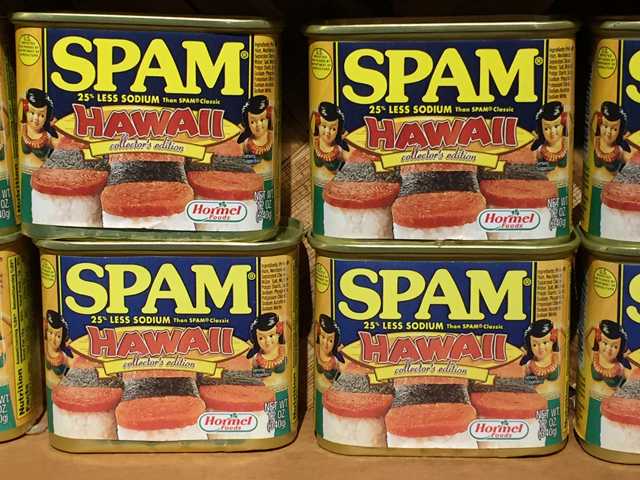
History Of Spam In Hawaii

So, you think you know Spam? That mysterious, magical, and sometimes-maligned canned meat product that's a staple in many a Hawaiian pantry? Well, let me tell you, its history...
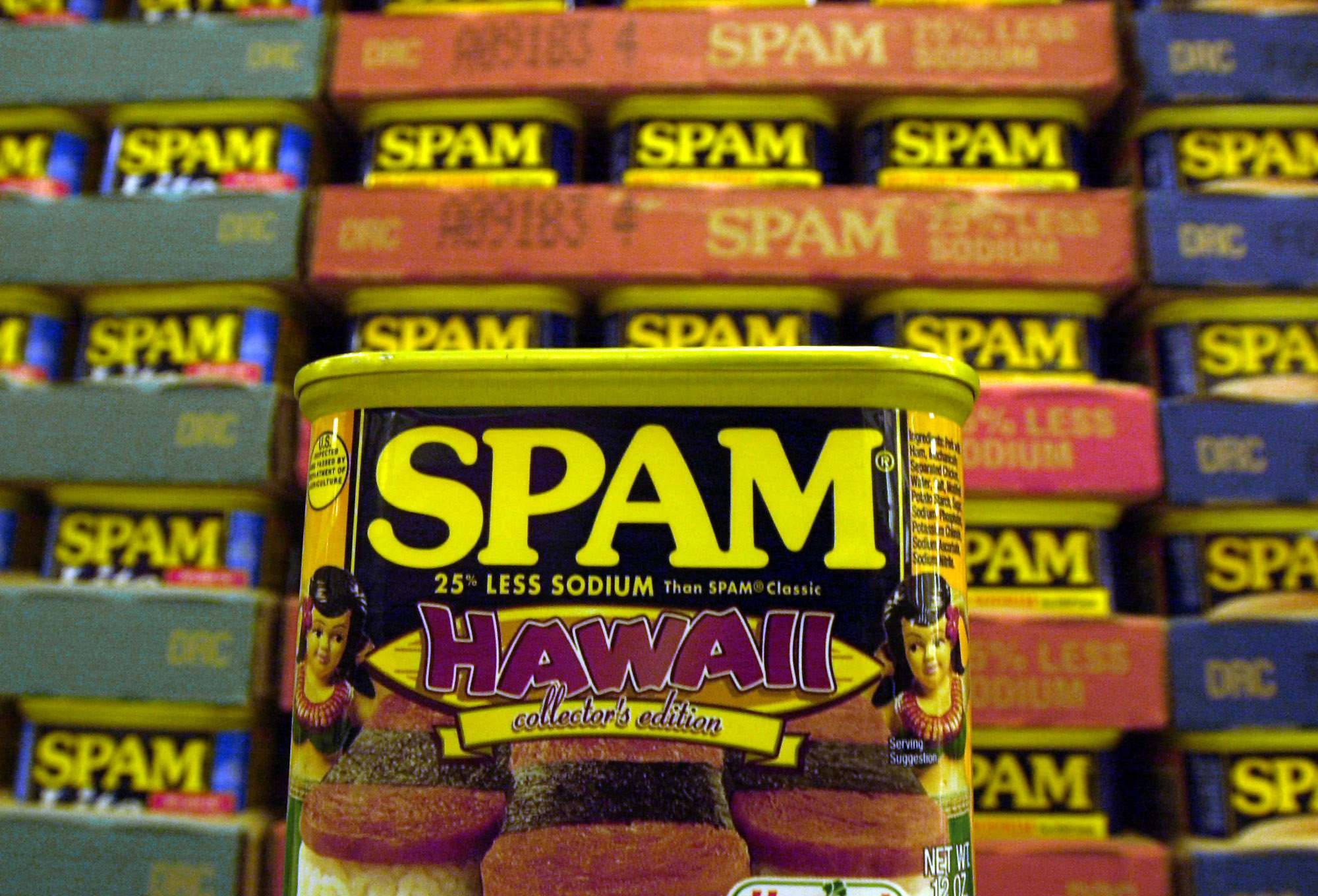
So, you think you know Spam? That mysterious, magical, and sometimes-maligned canned meat product that's a staple in many a Hawaiian pantry? Well, let me tell you, its history in the Aloha State is a wild and wacky one. From its humble beginnings as a post-WWII import to its current status as a beloved local ingredient, Spam has become an integral part of Hawaiian cuisine and culture.
In the 1940s, Spam was introduced to Hawaii as a convenient and affordable source of protein for the local population. And, boy, did it take off! By the 1950s, it was being used in everything from musubi (those addictive little blocks of rice and Spam wrapped in seaweed) to loco moco (a classic Hawaiian dish featuring a hamburger patty, fried egg, and – you guessed it – Spam). It was the ultimate recession-proof food, and Hawaiians loved it.
The Spam Boom
Today, Hawaii is the Spam capital of the world, with over 7 million cans consumed annually. That's a lot of Spam! In fact, the love affair with Spam is so strong that it's inspired an annual Waikiki Spam Jam Festival, which features Spam-themed merchandise, Spam-cooking contests, and even a Spam-eating competition. Because, why not?
Must Read
But Spam's popularity in Hawaii isn't just about the food itself – it's also deeply rooted in the state's cultural history. During World War II, Spam was one of the few meat products available in Hawaii, and it quickly became a staple in many local households. And, let's be real, when you're eating Spam for breakfast, lunch, and dinner, you start to get creative with it. Hence, the ingenious invention of Spam sushi – a dish that's either genius or madness, depending on your perspective.
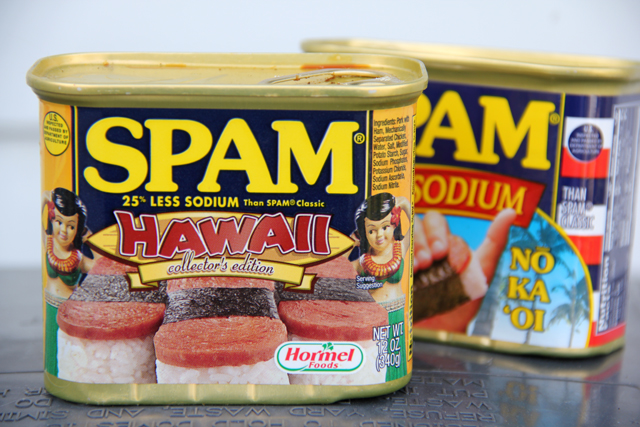 Hawiian Spam
Despite its detractors, Spam has become an unlikely symbol of Hawaiian identity and community. It's a food that transcends socioeconomic boundaries, with everyone from locals to transplants enjoying it in their own unique way. And, as any Hawaiian will tell you, there's no such thing as too much Spam – only too little. So, the next time you're in Hawaii, be sure to try some Spam musubi or Spam fried rice, and experience the aloha spirit for yourself.
Spam in Modern Hawaiian Cuisine
Fast forward to the present, and Spam is still going strong in Hawaiian cuisine. In fact, it's become a key ingredient in many modern Hawaiian dishes, from Spam tacos to Spam quiche. And, with the rise of food trucks and pop-up restaurants, Spam is more accessible than ever. Whether you're a Spam aficionado or just a curious foodie, Hawaii is the perfect place to indulge in this beloved canned meat.
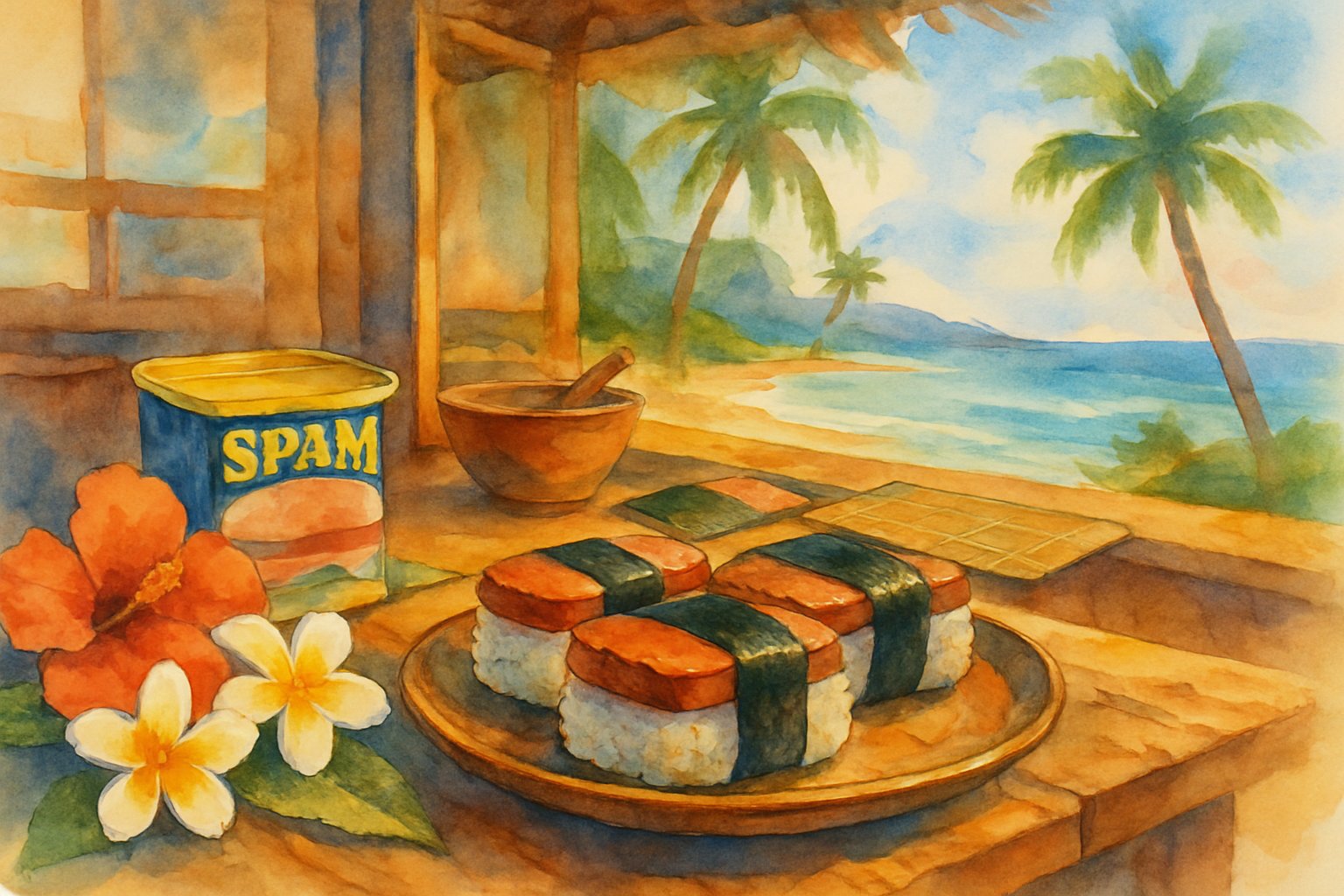 The History Of Spam Musubi In Hawaii: How A Simple Snack Became A Local
So, there you have it – the unlikely story of how Spam became a Hawaiian staple. It's a tale of culinary innovation, cultural exchange, and a healthy dose of Spam-filled humor. And, who knows, you might just find yourself falling in love with this quirky, charming, and deliciously addictive food. After all, as any Hawaiian will tell you, Spam is more than just a food – it's a way of life.
In conclusion, Spam may have started as a humble canned meat product, but it's become so much more in Hawaii. It's a symbol of community, a source of culinary inspiration, and a reminder that even the most unlikely foods can bring people together. So, the next time you're cooking up some Spam fried rice or Spam musubi, remember the rich history and cultural significance behind this beloved ingredient. And, who knows, you might just find yourself shouting "Spam for life!" along with the rest of the Hawaiian Spam enthusiasts.