How Is Imitation Crab Made

Have you ever wondered how imitation crab is made? It's one of those foods that's so common in sushi restaurants and seafood markets, but have you ever stopped to think about...

Have you ever wondered how imitation crab is made? It's one of those foods that's so common in sushi restaurants and seafood markets, but have you ever stopped to think about what it actually is? I mean, is it really crab, or is it something entirely different?
Let's dive in
and explore the process of creating this seafood favorite. It all starts with surimi, a paste made from fish like pollock or whiting, which is then mixed with other ingredients like starch, sugar, and flavorings. The resulting mixture is then shaped into those familiar crab sticks we all know and love.But here's the cool part: the surimi is made by grinding the fish into a fine paste, almost like mashing potatoes, and then adding in all sorts of binders and fillers to help it hold its shape. It's kind of like making a big batch of playdough, but instead of flour and water, you're using fish and starch. And just like playdough, the surimi can be shaped and molded into all sorts of different forms.
Must Read
So, how do they get the imitation crab to taste like, well, crab? It's all about the flavorings and seasonings they add in, which can include things like MSG, salt, and even real crab extract. It's like adding a secret recipe to your favorite dish, but instead of making it from scratch, you're using a combination of natural and artificial ingredients to create that perfect flavor.
But what about the texture
? How do they get the imitation crab to feel like real crab in your mouth? It's all about the process of creating the surimi, which involves heating and cooling the mixture to create a texture that's similar to real crab. It's kind of like cooking a piece of fish, but instead of using heat to cook it through, you're using heat to change the texture of the surimi. Imitation crab as they do it.
And have you ever noticed that imitation crab is often cheaper than real crab? That's because it's made from less expensive ingredients, like pollock and starch, which are abundant and easy to source. It's like buying a generic version of your favorite brand-name product, but instead of sacrificing quality, you're getting a similar taste and texture at a lower price.
So, is imitation crab good or bad
? Well, that's a matter of opinion, but one thing's for sure: it's definitely interesting. I mean, who would have thought that you could take a bunch of random ingredients and turn them into something that tastes and feels like real crab? It's like a magic trick, but instead of using magic, you're using science and technology to create something entirely new.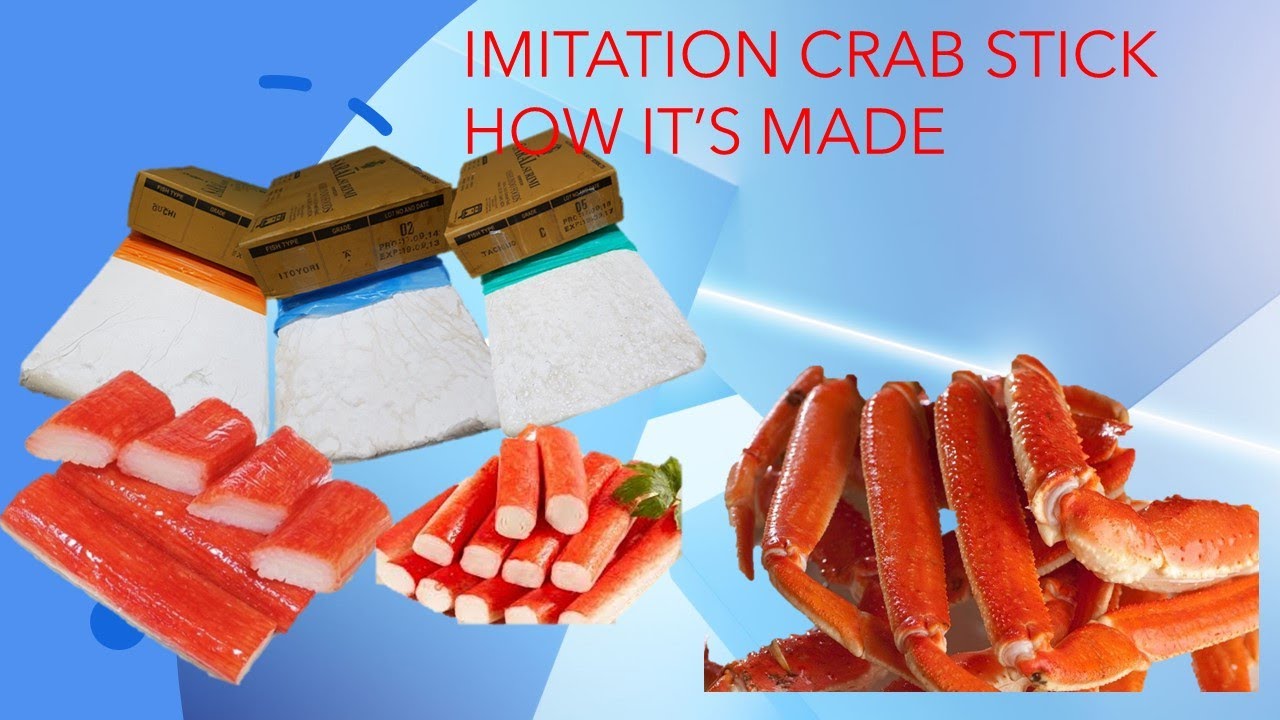 Imitation Crab How To Make at Steve Courtney blog
And the best part is, imitation crab is versatile, you can use it in sushi, salads, or even as a snack on its own. It's like having a chameleon in your kitchen, it can adapt to any recipe or dish. So next time you're at the grocery store, take a closer look at the imitation crab section, you might just discover a new favorite food.
In conclusion, imitation crab is a fascinating food that's made using a combination of science, technology, and a little bit of magic. It's a testament to human ingenuity and our ability to create something entirely new and interesting from a bunch of random ingredients. So next time you're eating imitation crab, remember the process that went into making it, and appreciate the science and technology that made it possible.

